Simulate water distribution, generate allocation reports, and monitor your water network in real time.
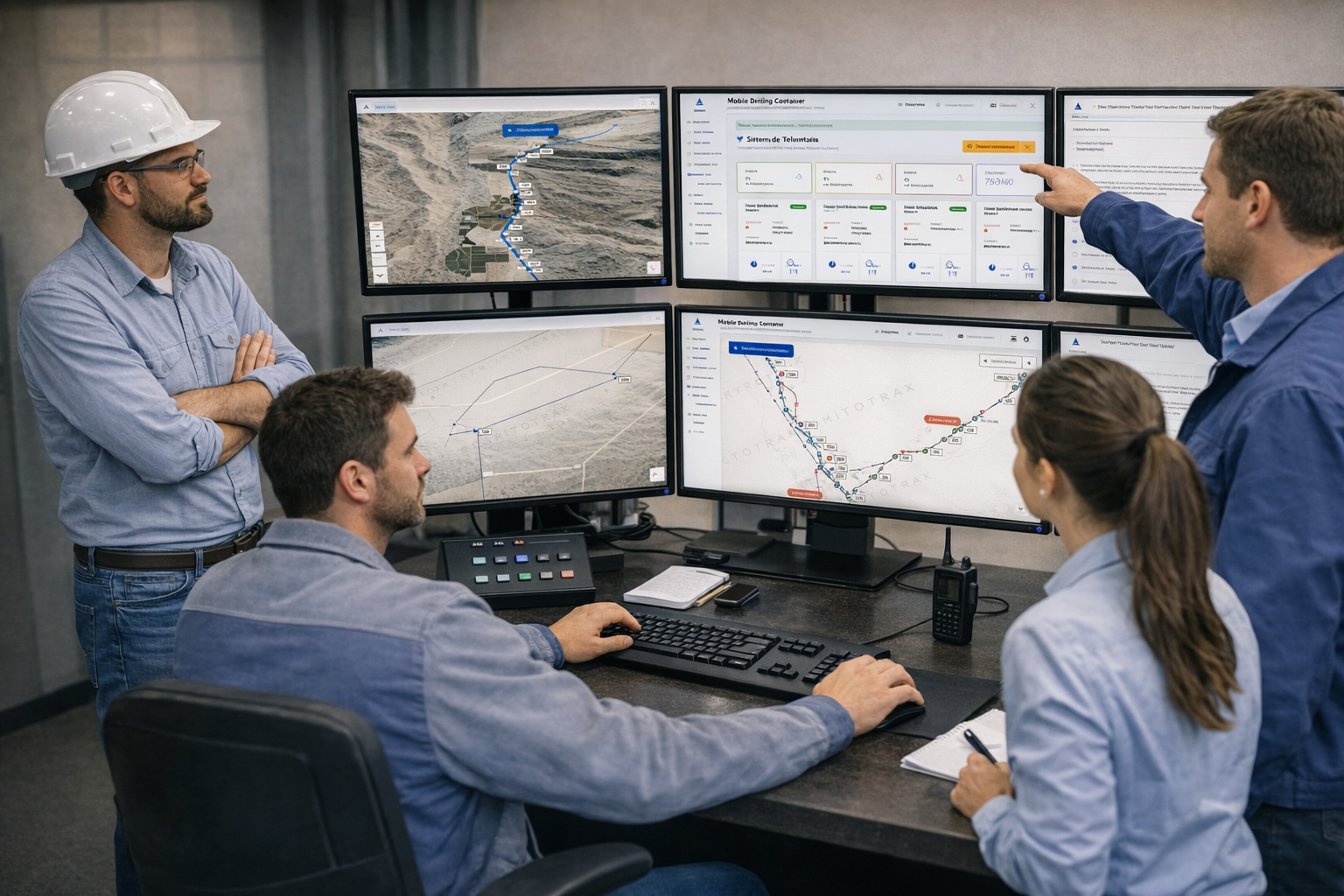
Distributing water without technology means relying on memory, phone calls, and trust. In a context of growing water scarcity, that is no longer enough. Every poorly distributed liter is a conflict, a cost, and a missed opportunity.
Members distrust the allocation when they don't have access to real-time data.
Without digital records, there is no proof of what was delivered and when.
Without telemetry, no one knows how much is lost during conveyance.
Not on actual water rights registered with the national water authority (DGA).
Breaks, blockages, or floods are reported by phone or radio, always late.
There is no record of who received what in previous periods.
If the River Inspector is absent, the system collapses.
The organization reacts when the river has already dropped, not before.
They must call or visit the office to find out their allocation.
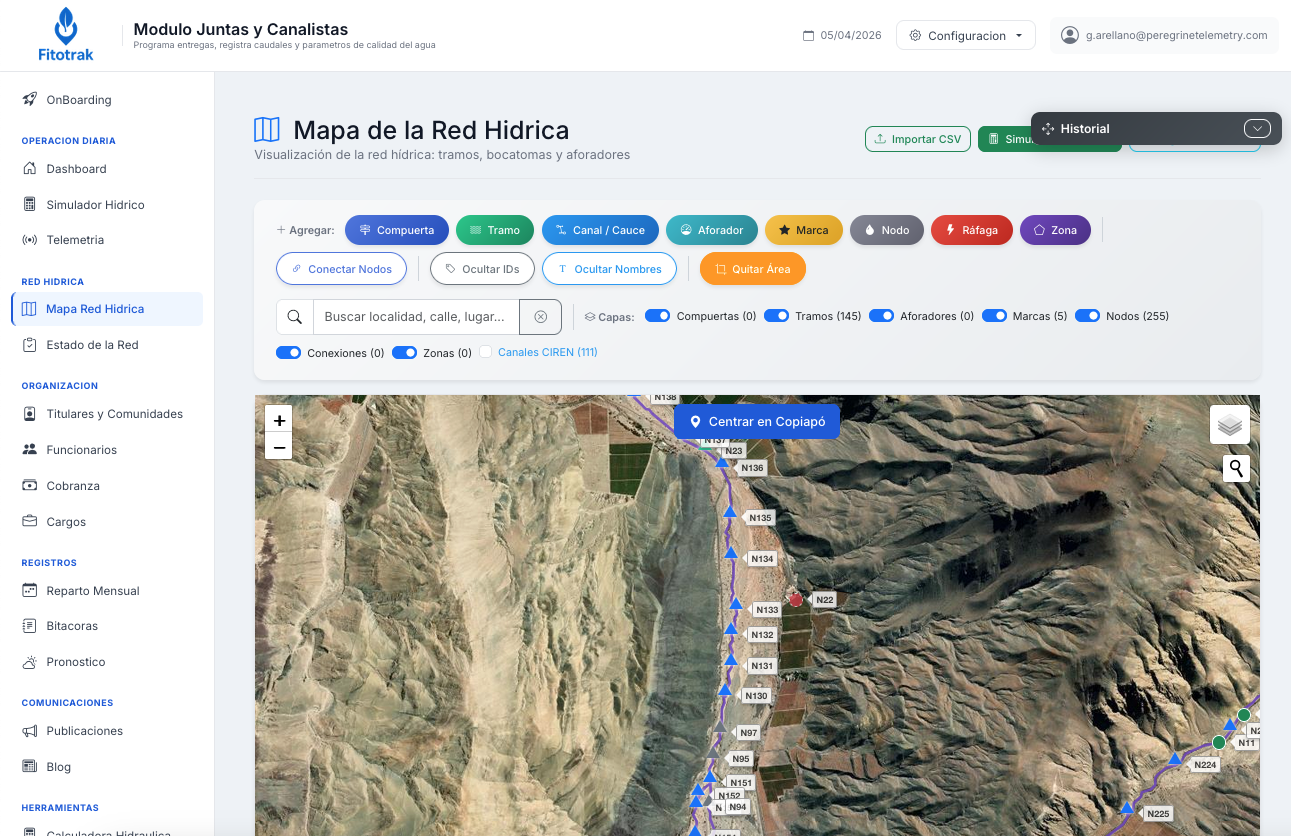
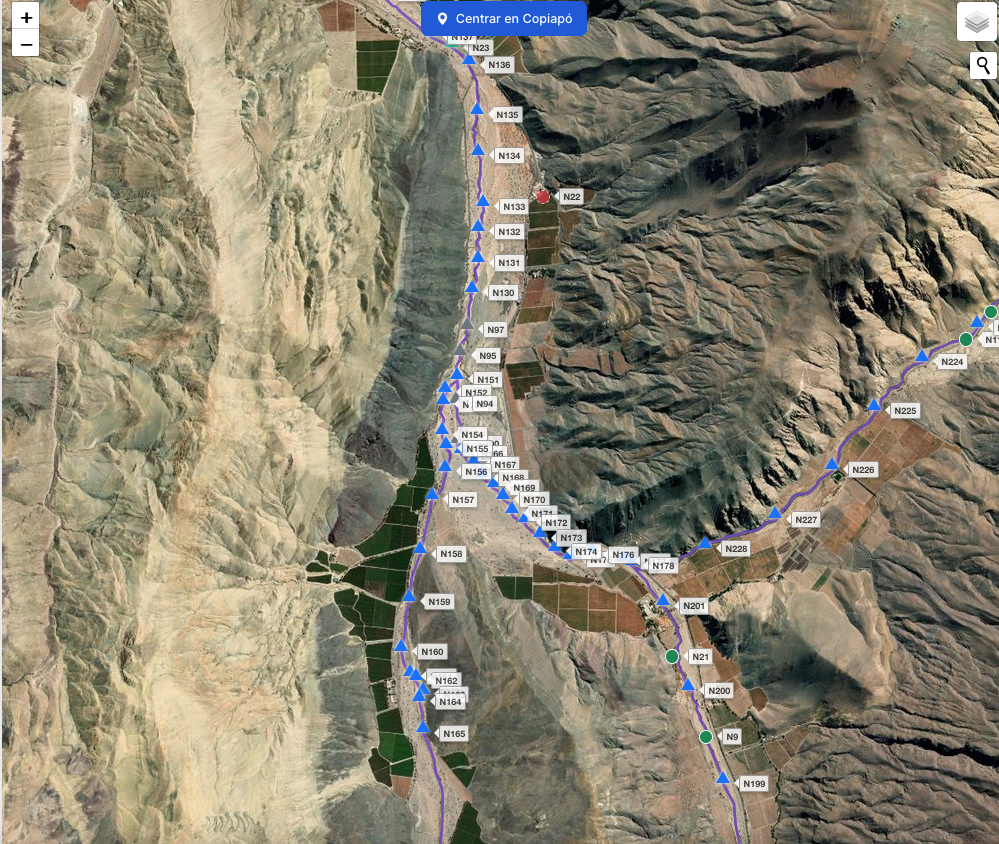
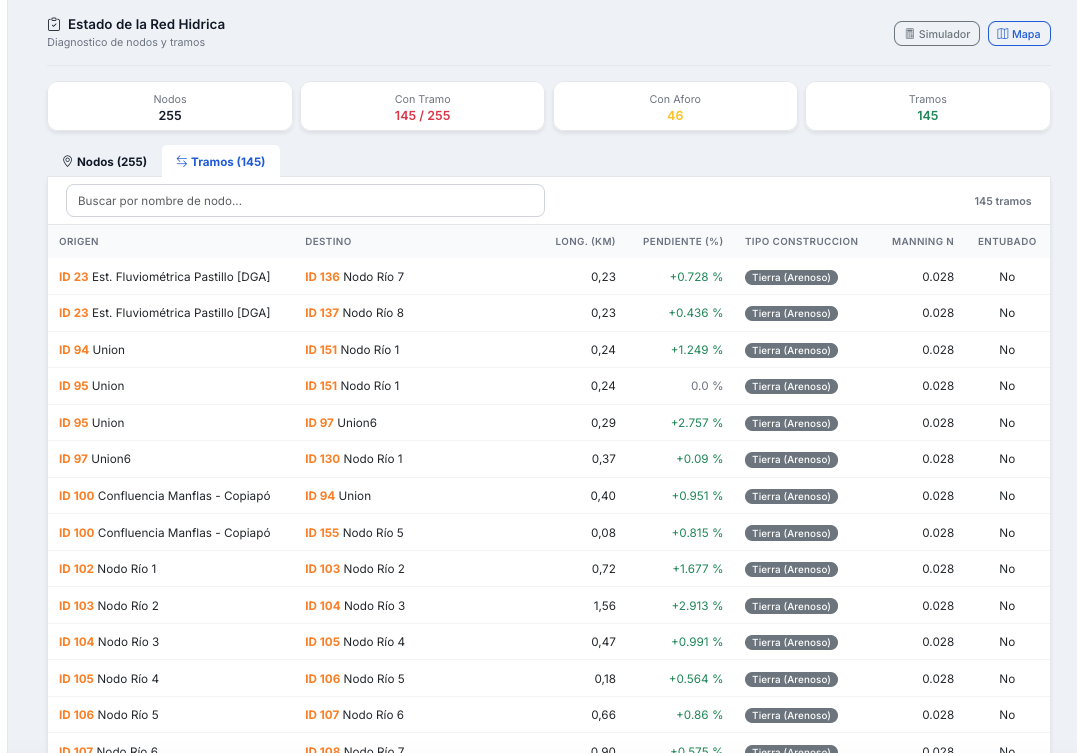
Visualize waterways, intakes, reaches, and nodes on satellite cartography. Draw and edit the network directly on the map with intuitive tools.
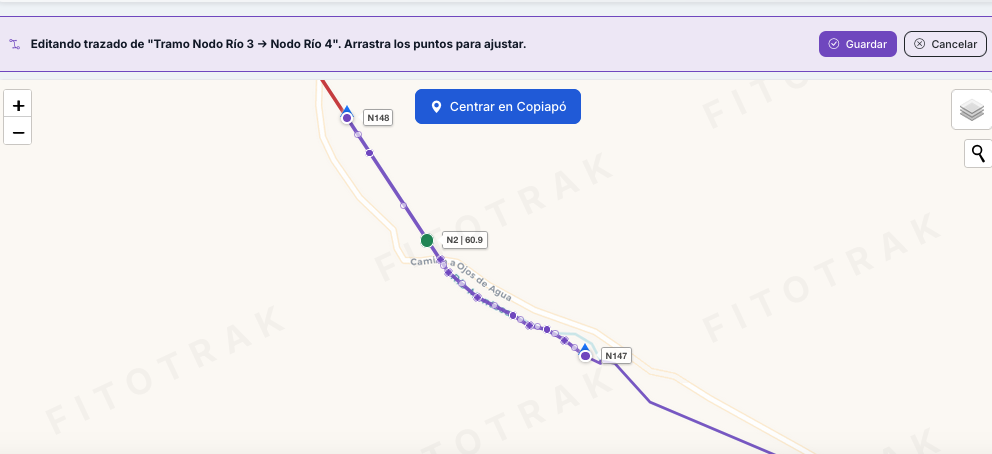
Toggle between map view and satellite view to verify that each intake and reach matches the actual geography of the waterway.
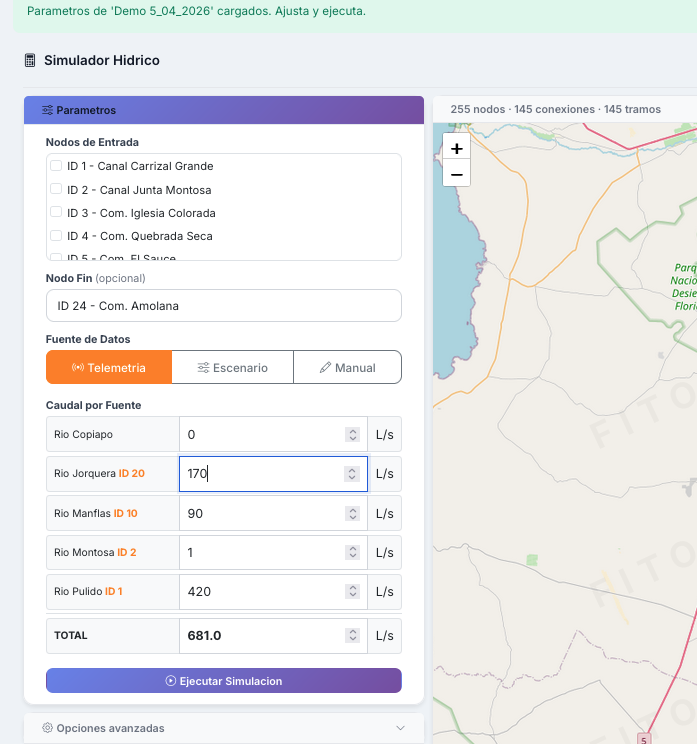
The simulator traverses nodes from intake to intake, calculating Q/water right independently per river and losses per reach. Water balance verified at 100% before simulations.
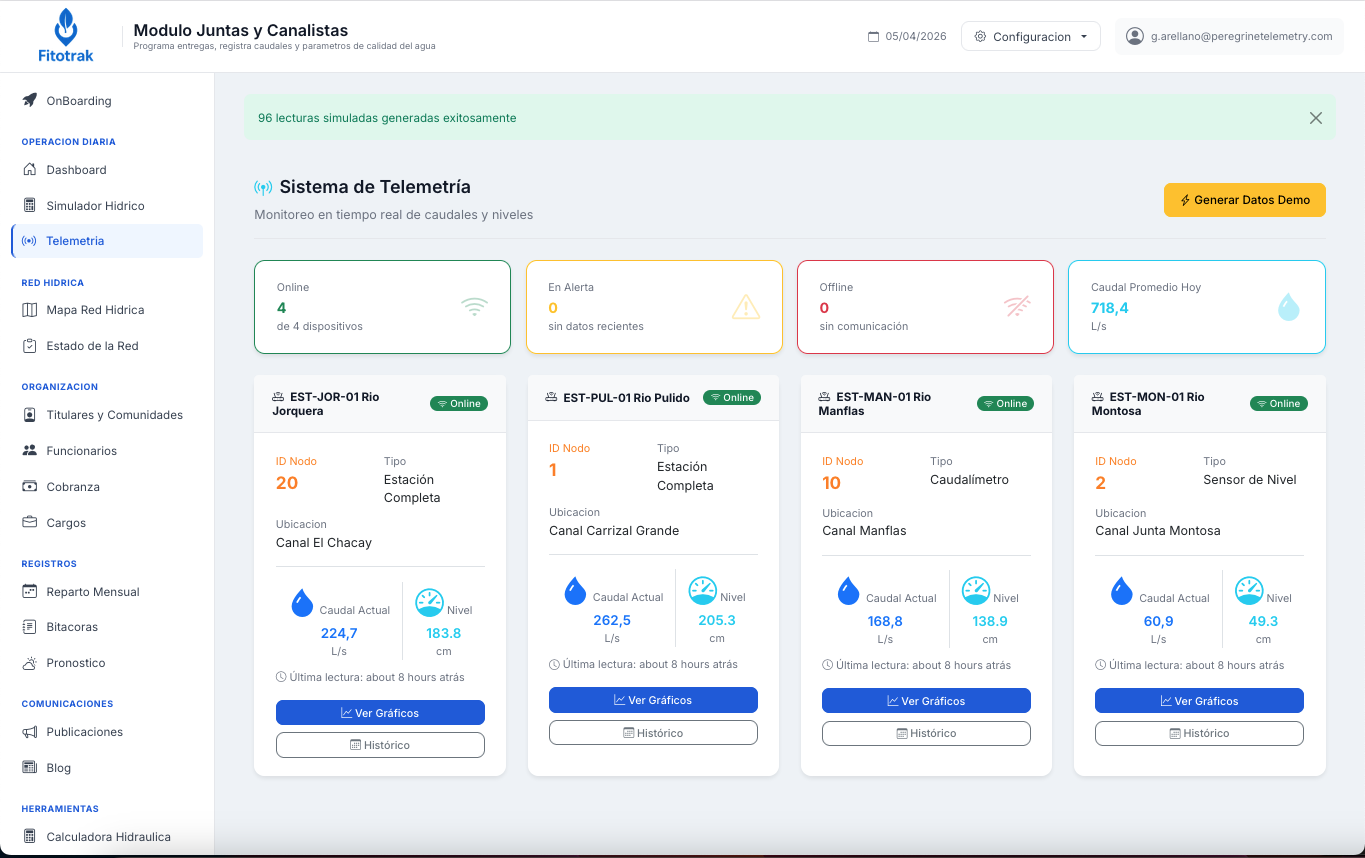
Receive flow data from rivers, canals, or specific monitoring points. Data updates automatically and can be preloaded into the simulator.
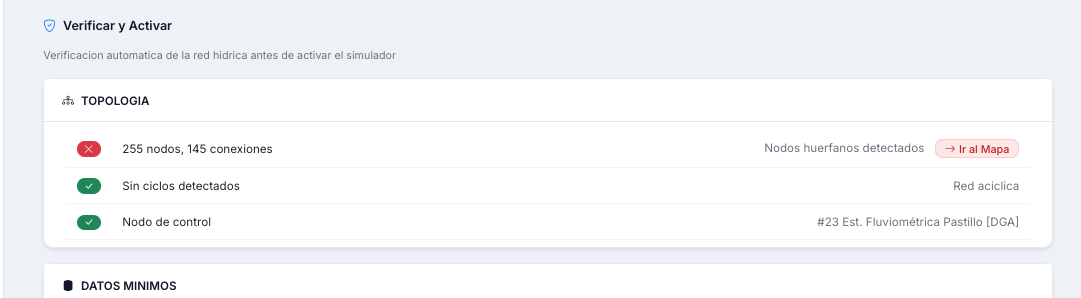
Verify the hydraulic network topology before running any simulation. Automatically detects orphan nodes, cycles, and missing connections.
Designed for the Chilean Water Code. Every feature designed by agricultural engineers and hydrologists.
Before running the simulation, you can check this list. The system also automatically verifies the topology, minimum data requirements, and control nodes.
Edit the trace of any reach directly on the map using your mouse. Review the km between waterway nodes and intake nodes.
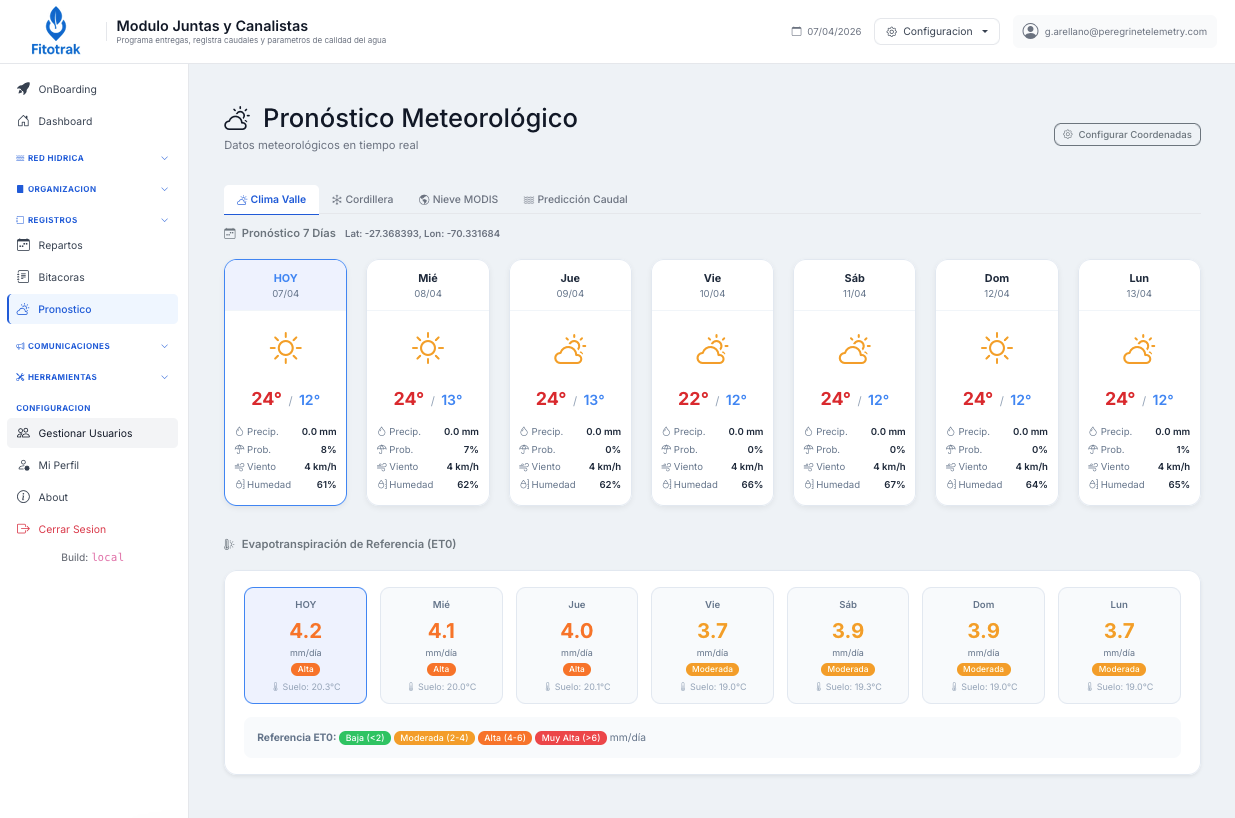
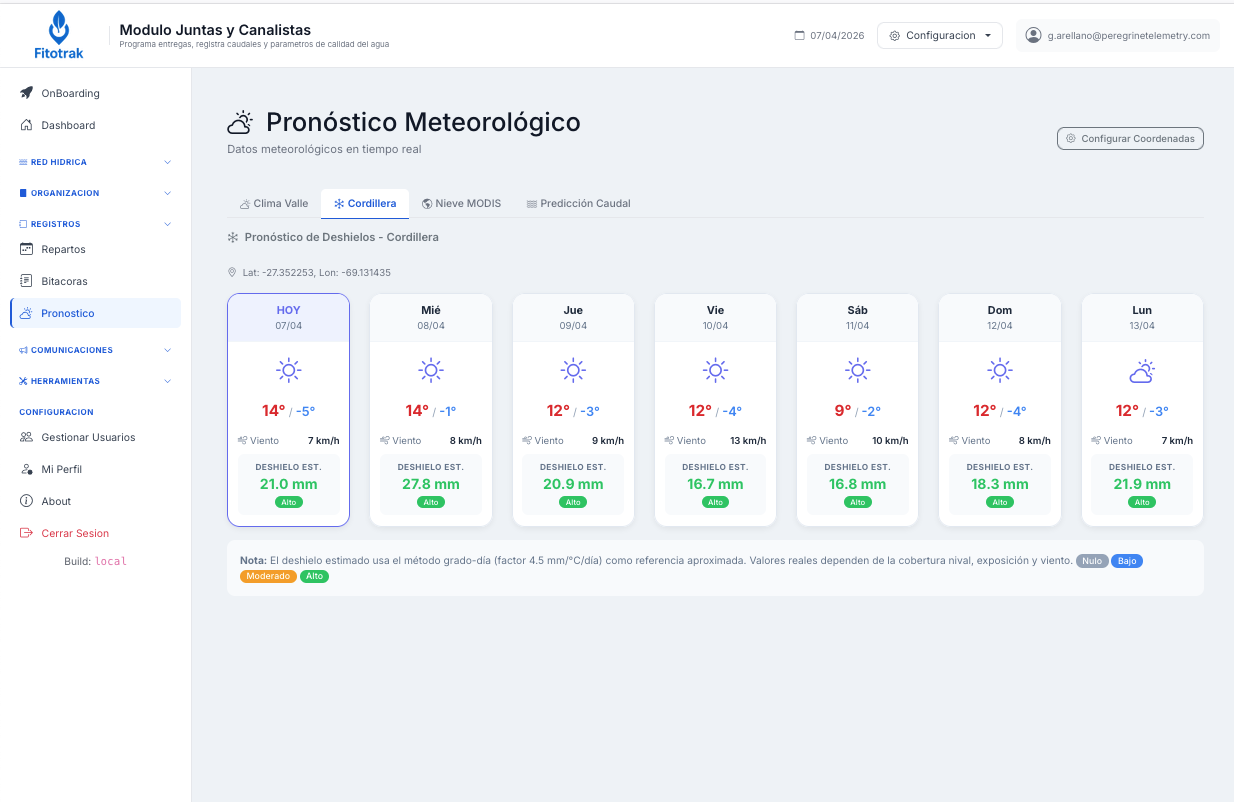
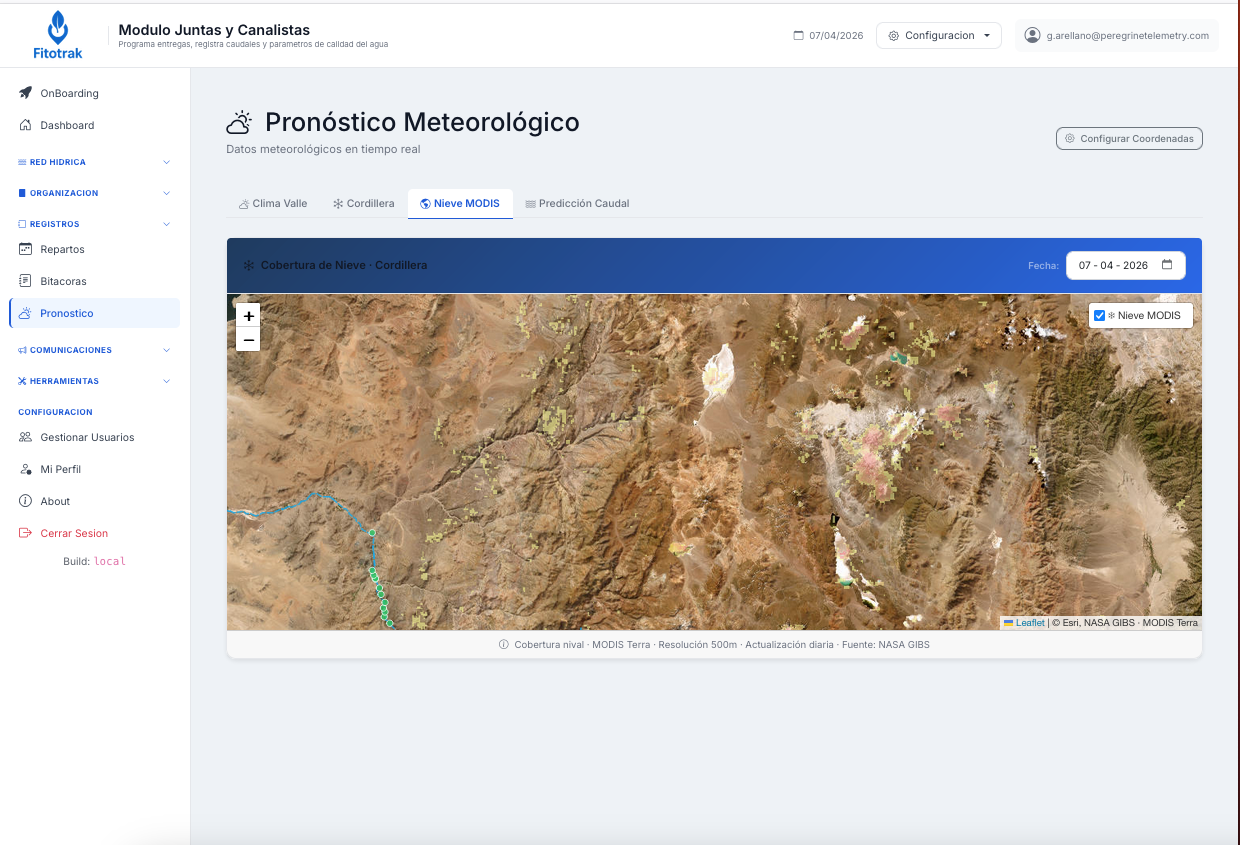
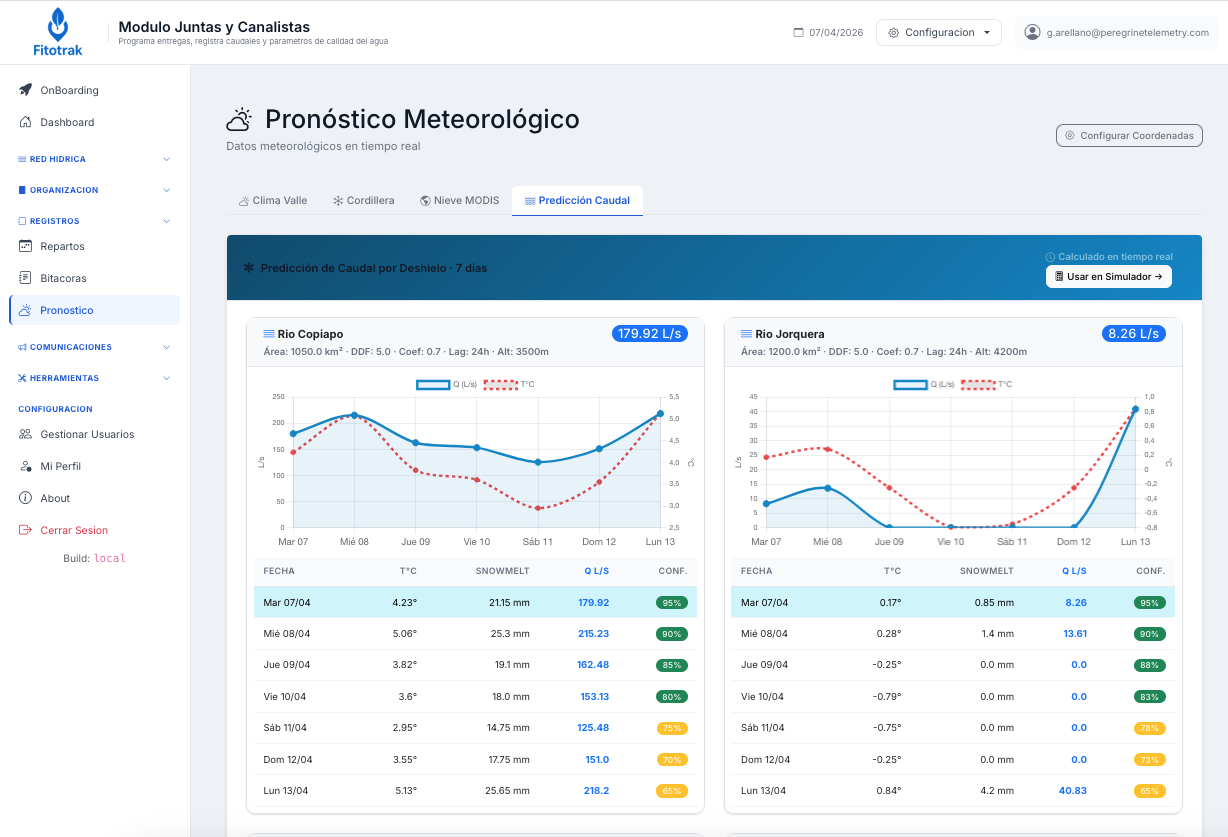
Degree-Day model connected to high-altitude meteorological data. Predicts the flow of each tributary river for the next 7 days, with MODIS snow cover map.
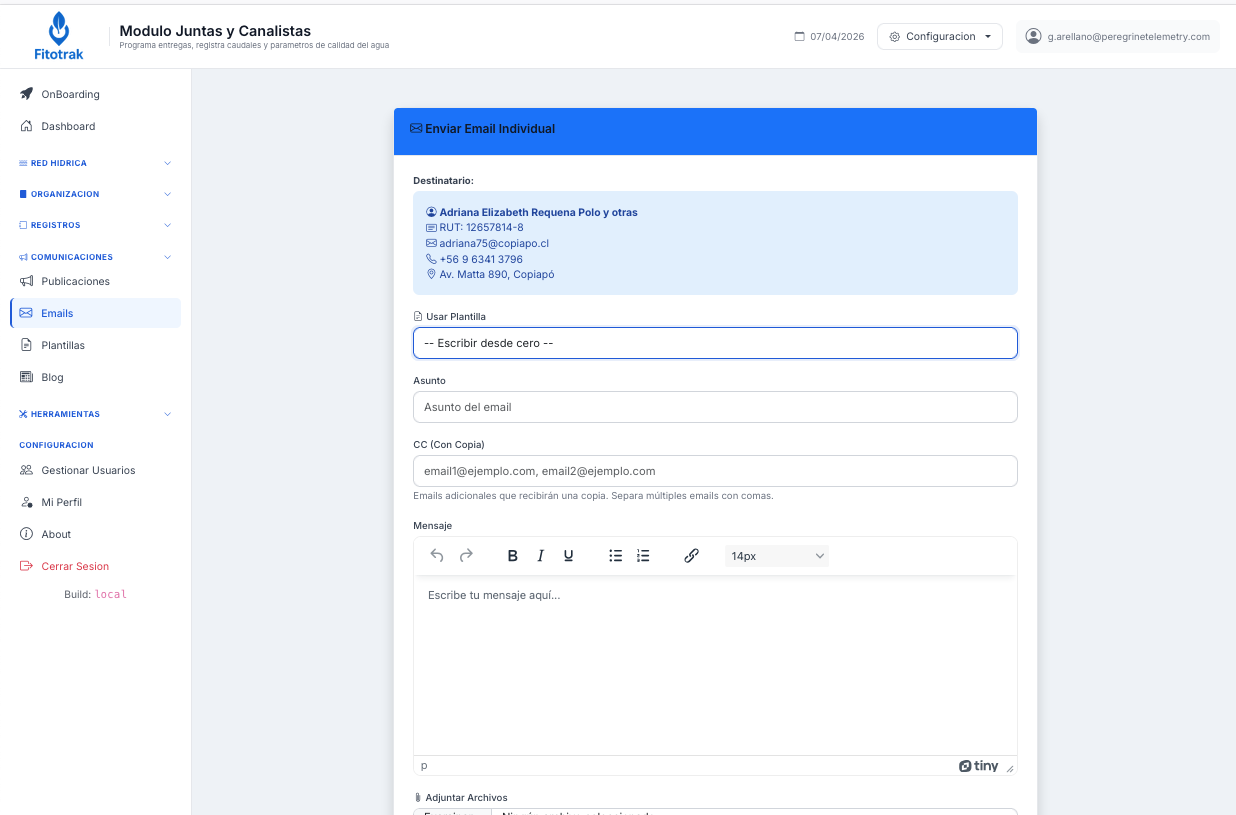
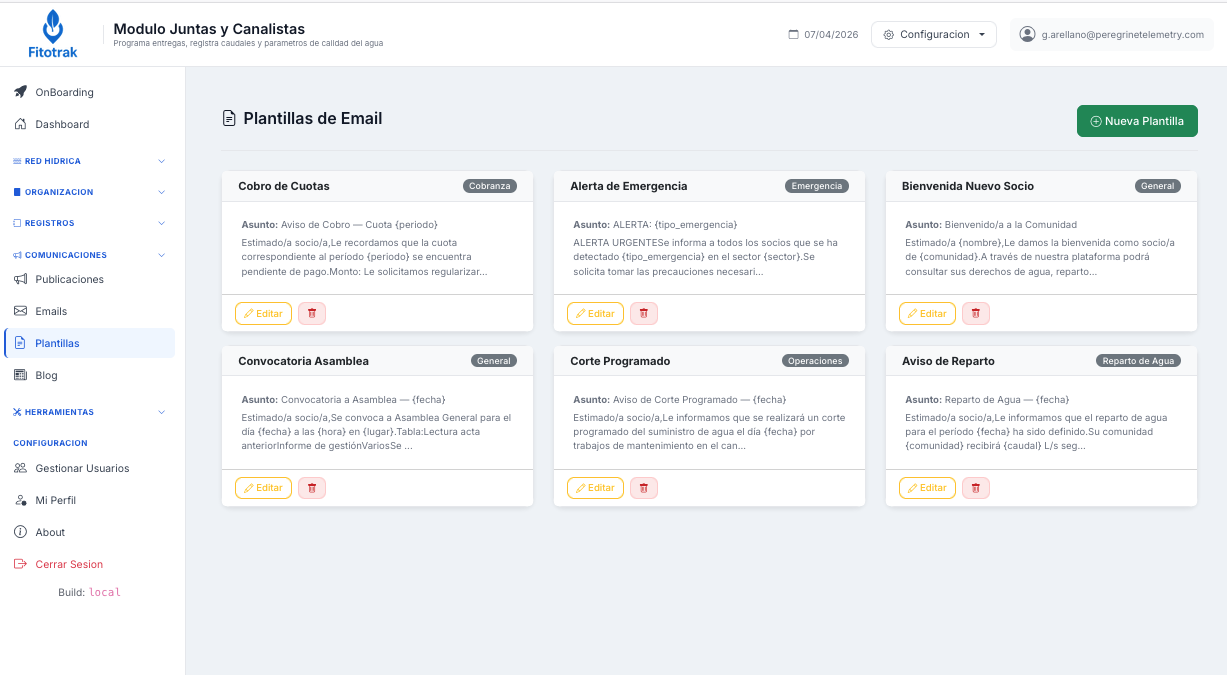
Send individual or bulk emails to water rights holders. Use pre-designed templates for allocations, billing, emergencies, and meetings.
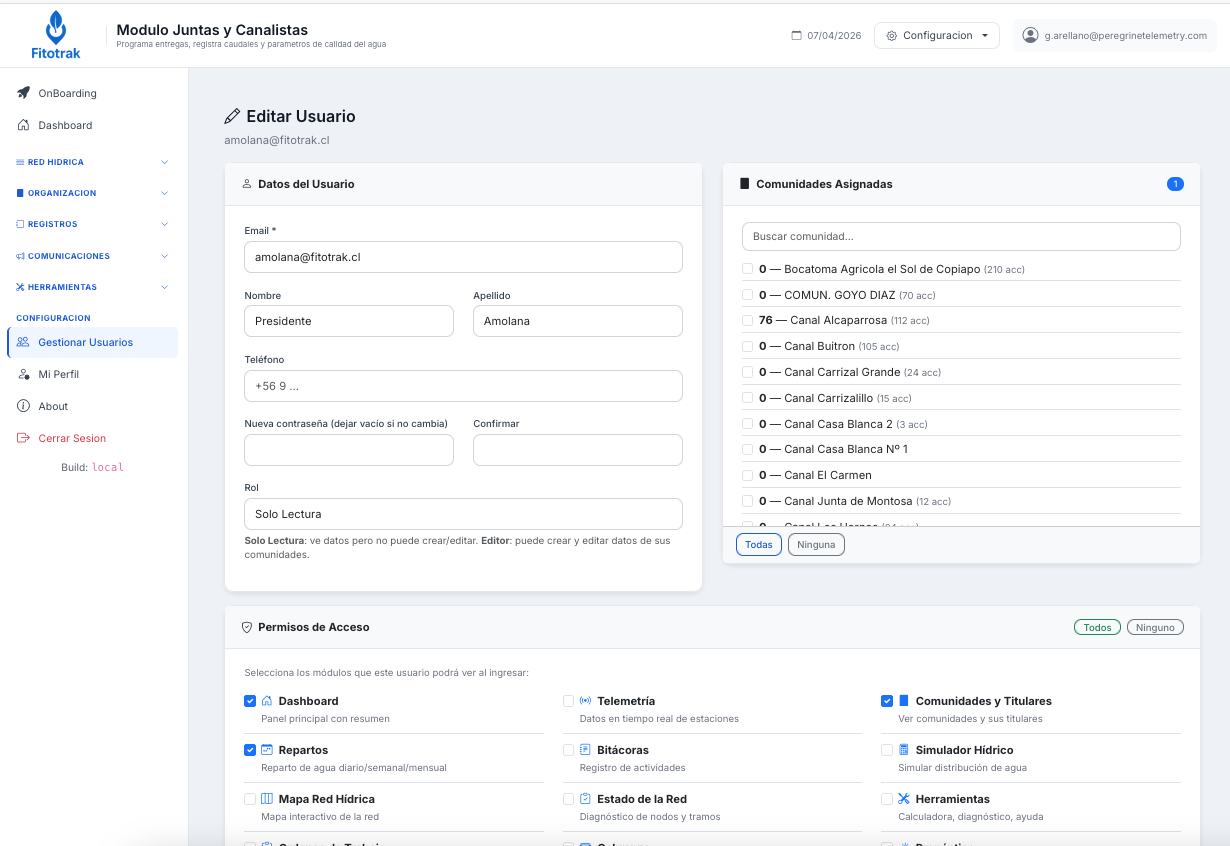
Create one access per community and control exactly which modules they can see. Dashboard, telemetry, allocations — each permission is toggled with a checkbox.
Peregrine Telemetry preconfigures your basin with your organization's real data. Then you and your team continue operating the system independently.
We configure the platform so it's operational from day one:
With the basin configured, your team can:
We use real data from the Copiapó River basin and its tributaries, but we have modified publicly available information since some data may be sensitive.